
Author: Metal Untold
-
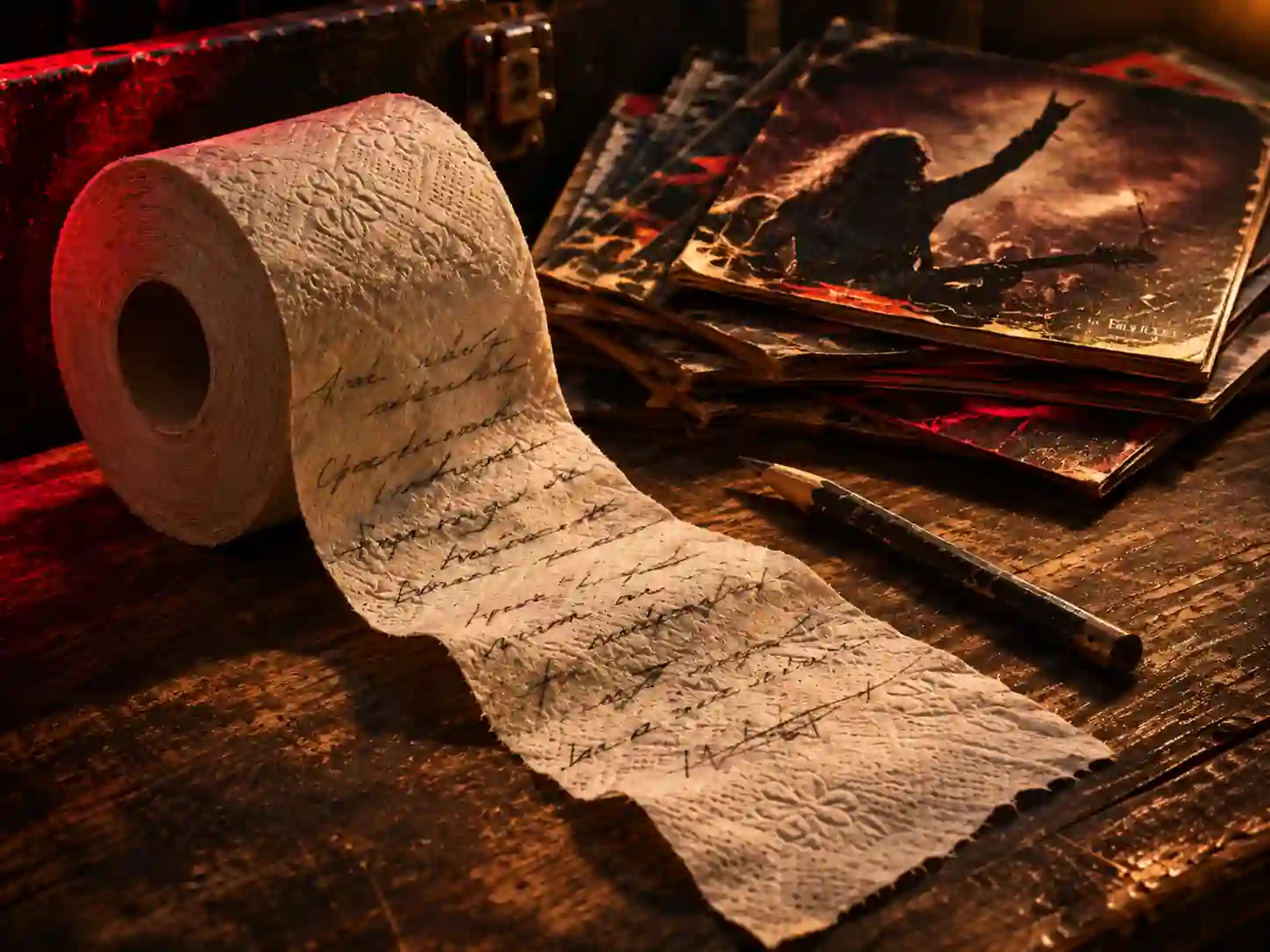
The Sabaton Song Written on Toilet Paper
In 2005, Sabaton’s “Metal Machine” was born in the most unlikely place. Discover how Joakim Brodén turned 25 minutes, heavy metal inspiration, and a piece of toilet paper into a song.
-
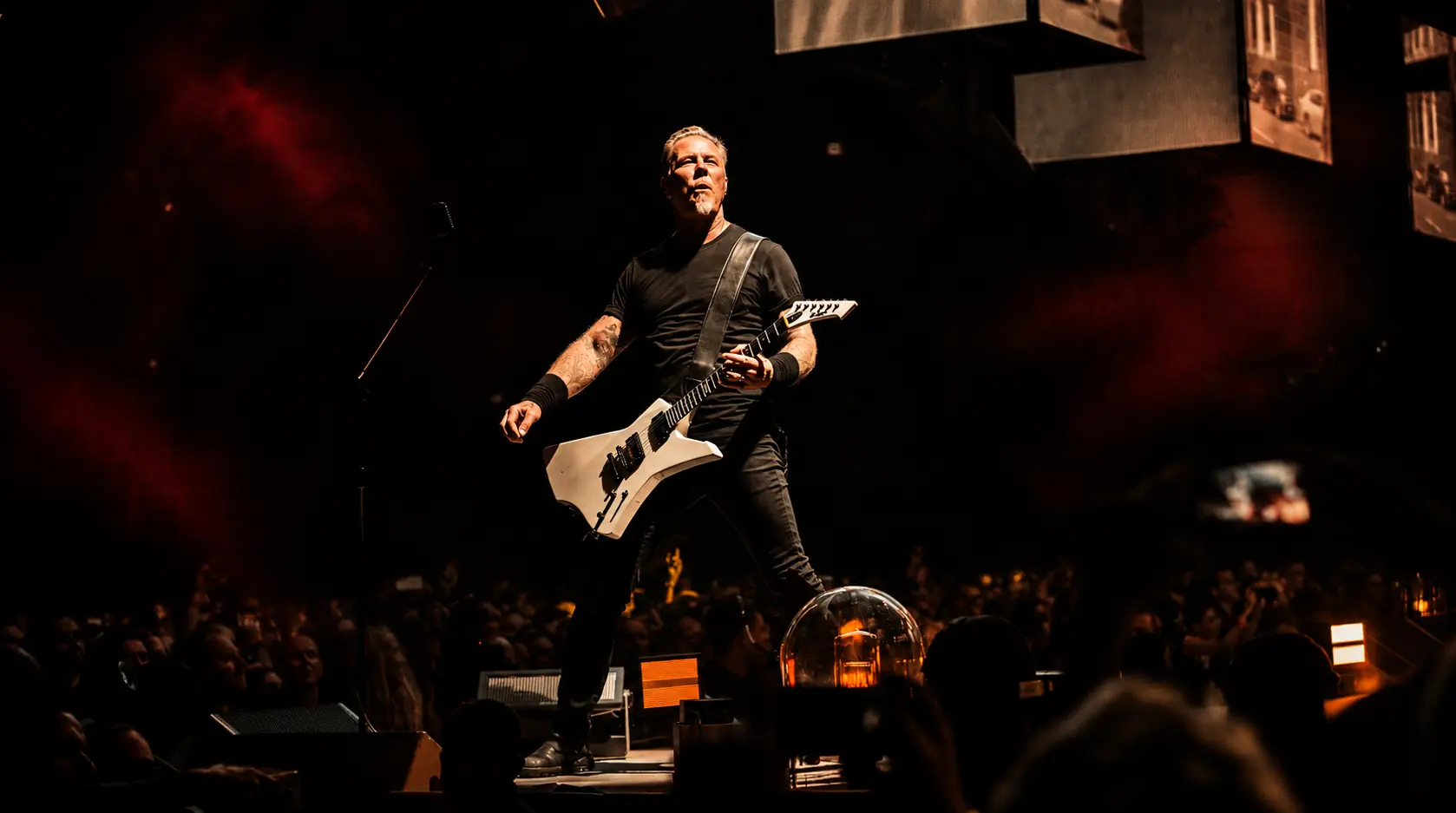
METALLICA — HARVESTER OF SORROW
Before “Harvester of Sorrow” became one of Metallica’s heaviest slow-burning songs, James Hetfield found the seed for its story in a single disturbing word — and built around it a character consumed by entrapment, resentment and violence.
-
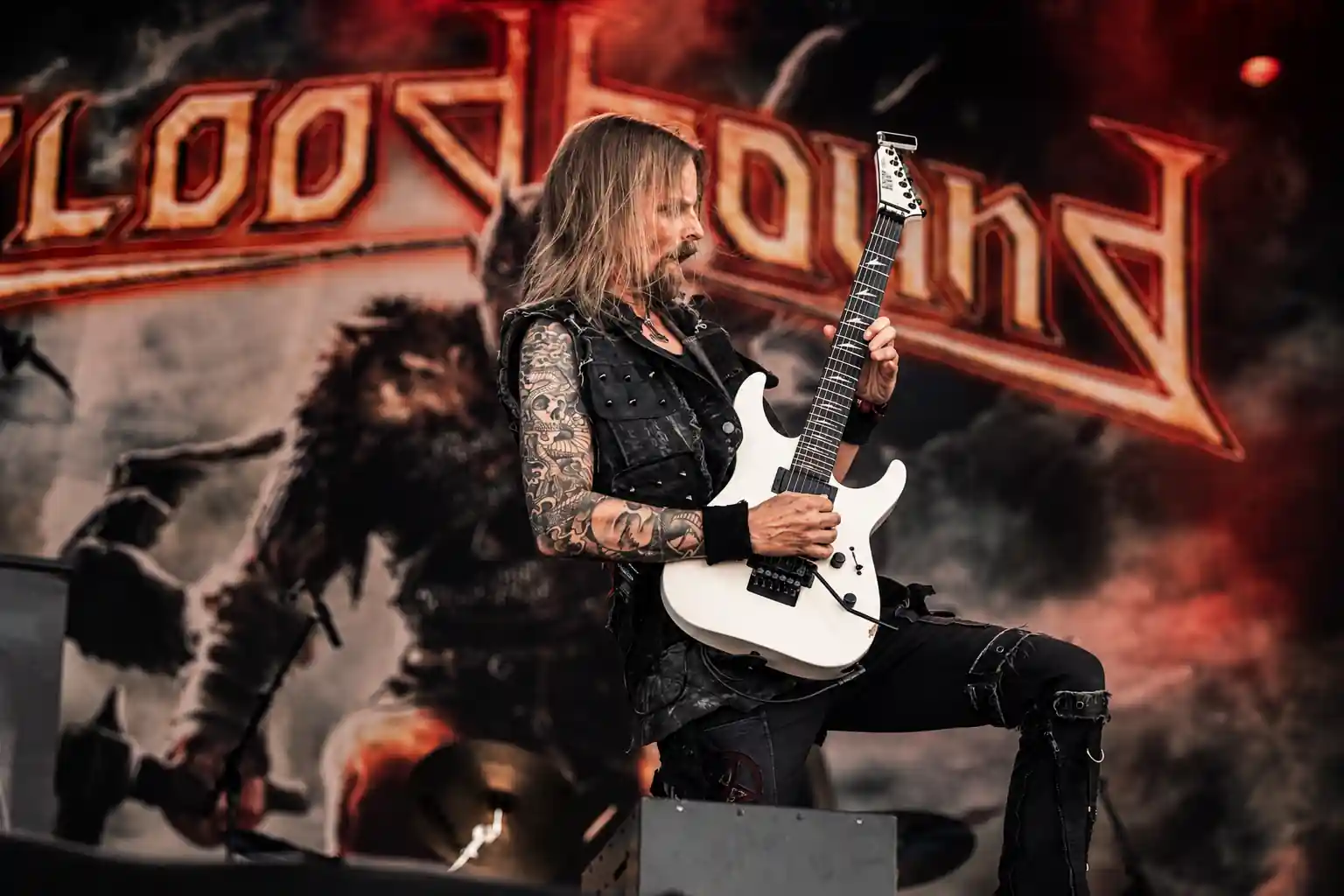
BLOODBOUND — THE FAN WHO BECAME THE VOICE OF THE BAND
Before Patrik Selleby became Bloodbound’s frontman, he was a fan who helped organize one of their concerts. An afterparty encounter changed everything.
-
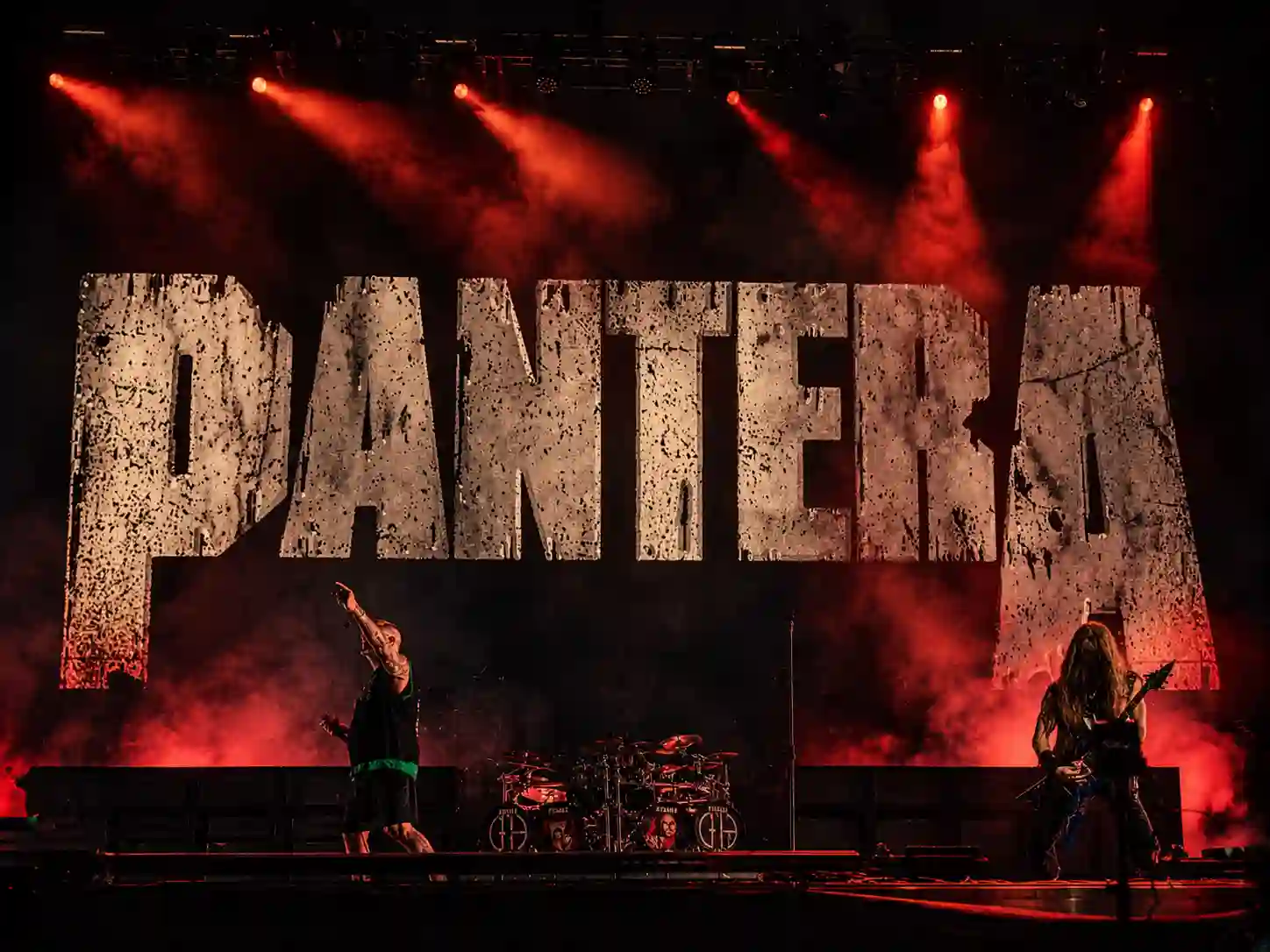
PANTERA — THE LAST-MINUTE STORY BEHIND THE “FLOODS” OUTRO
Dimebag Darrell’s haunting “Floods” outro had existed as a musical idea for years. But the performance that made the album was recorded in a last-minute rush while The Great Southern Trendkill was already being mastered.
-
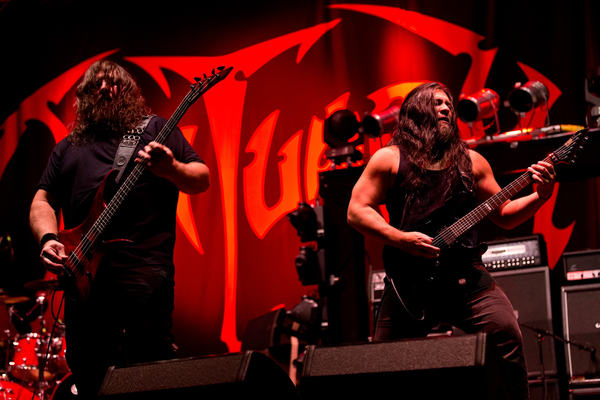
OBITUARY — THE TWO ALBUMS THAT PRESERVED THEIR FALLEN BROTHERS
When Obituary revisited Xecutioner’s Return and Darkest Day, the story was about more than remastered records. It was about the enduring performances of Frank Watkins and Ralph Santolla.
-
SYSTEM OF A DOWN — WHY “CHOP SUEY!” LOST ITS ORIGINAL TITLE
Before it became “Chop Suey!”, System of a Down knew the song by a darker name: “Suicide.” The story of why it changed is more complicated than the familiar label-pressure myth.
-
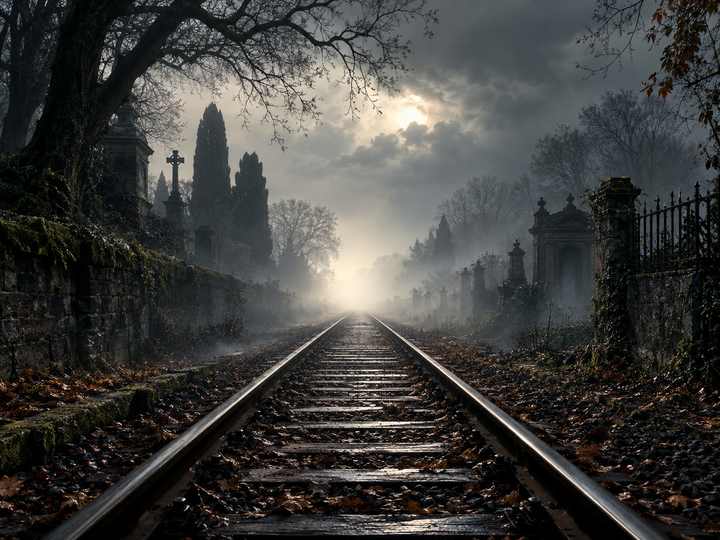
GREEN LUNG — THE REAL RAILWAY BEHIND “NECROPOLITAN LINE”
London once had a railway built to carry the dead. More than a century later, its extraordinary history inspired Green Lung’s “Necropolitan Line”.
-
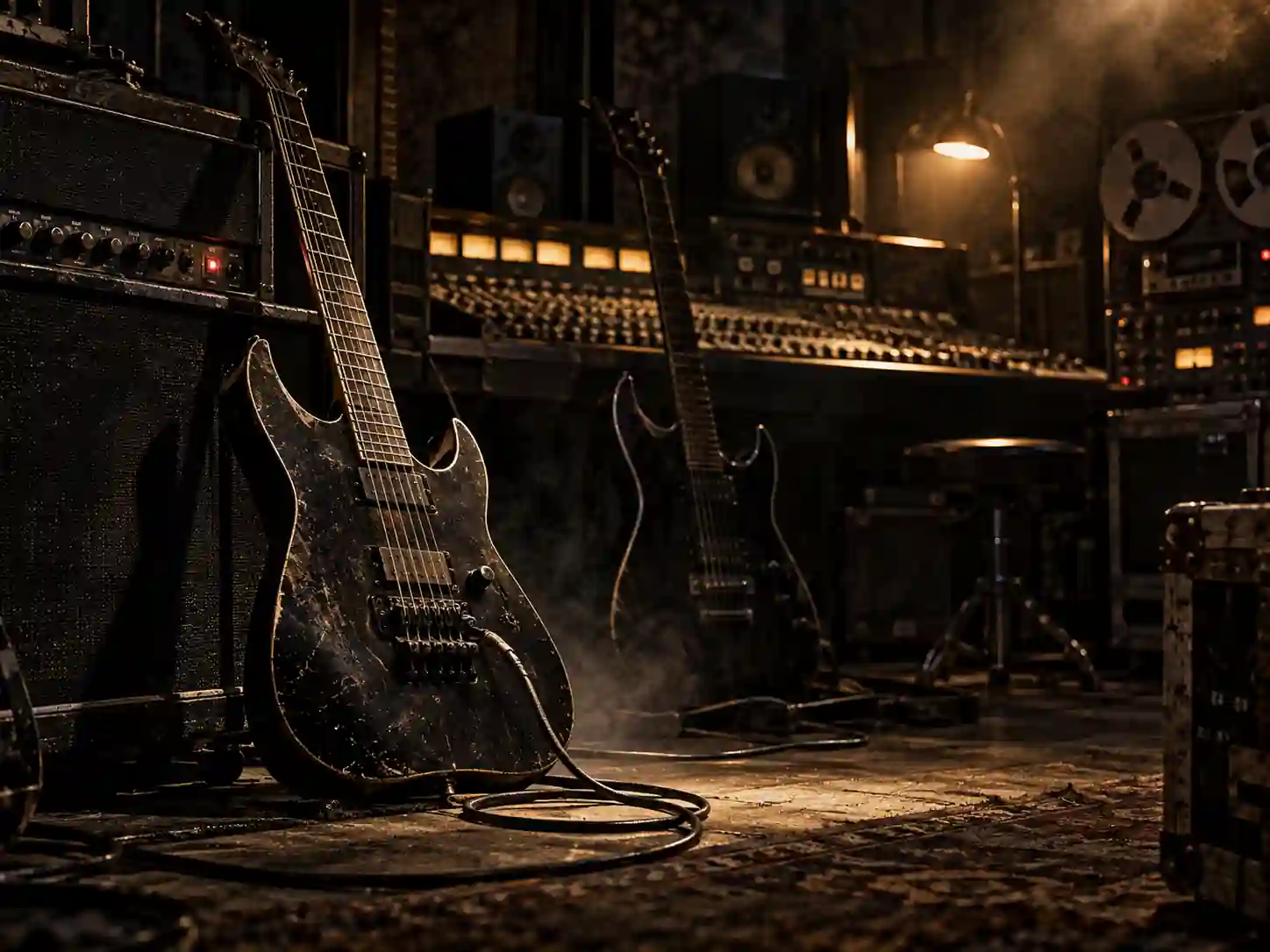
CANNIBAL CORPSE — WHEN ONE GUITARIST RECORDED THE RHYTHM GUITARS
Cannibal Corpse had two guitarists during the Tomb of the Mutilated sessions. But when the rhythm tracks were recorded at Morrisound, Jack Owen ended up handling the rhythm guitars.
-
IRON MAIDEN — THEY REJECTED BRUCE DICKINSON’S CHANGE. THEN CHANGED ANYWAY
Bruce Dickinson believed Iron Maiden needed to change after the World Slavery Tour. The band rejected his acoustic direction — then reinvented itself anyway on Somewhere in Time.
-
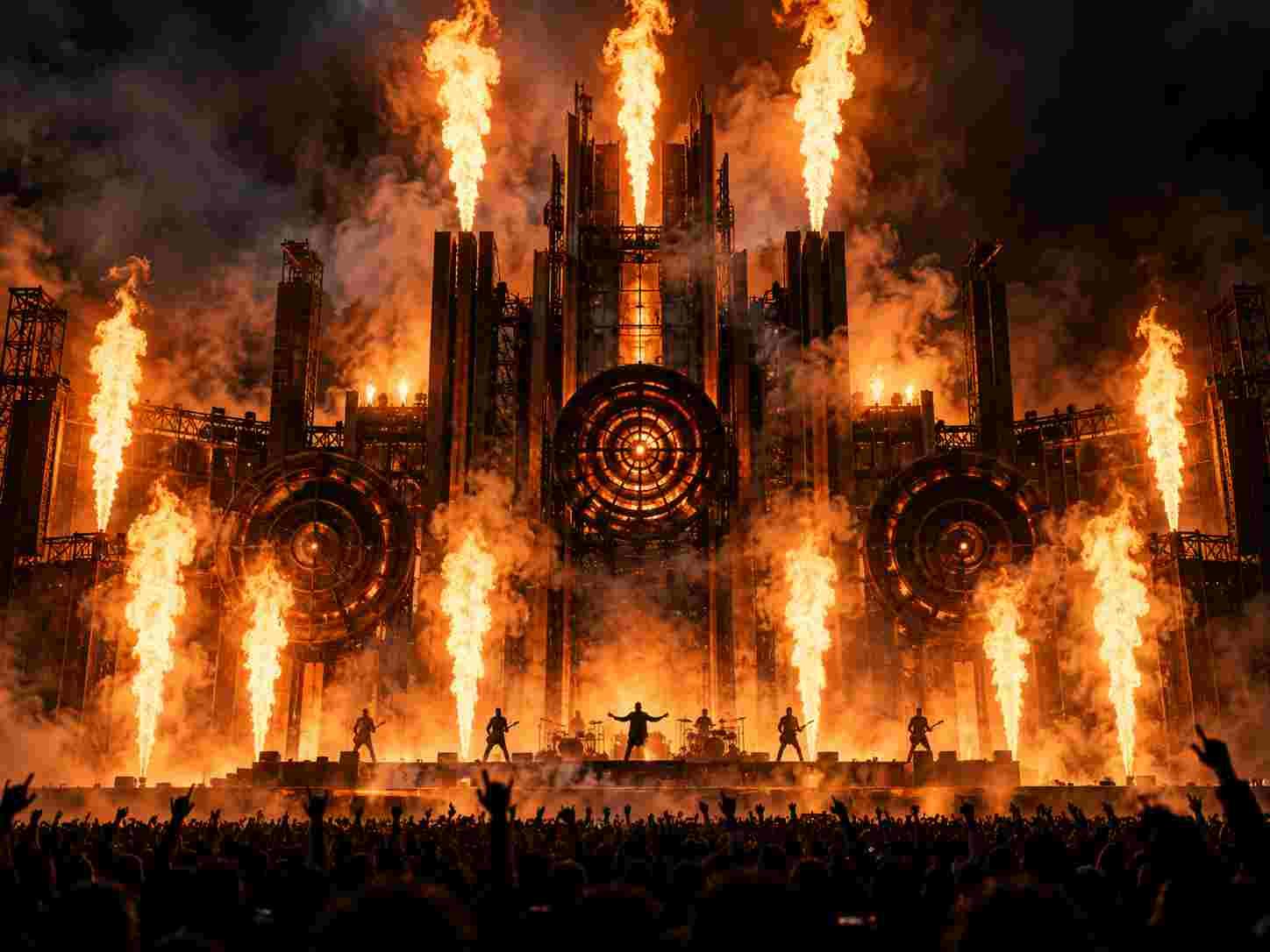
WHEN FIRE BECAME PART OF RAMMSTEIN
It started with two small pyrotechnic fountains and a frontman who felt uncomfortable being watched. Over three decades, Rammstein turned fire from an improvised stage effect into an engineered part of their live identity.